“Hanxin Series” Wrapped Up: Dr. Lam Choong Wah Analyzes Malaysian Diplomacy in a Post-Hegemonic Era
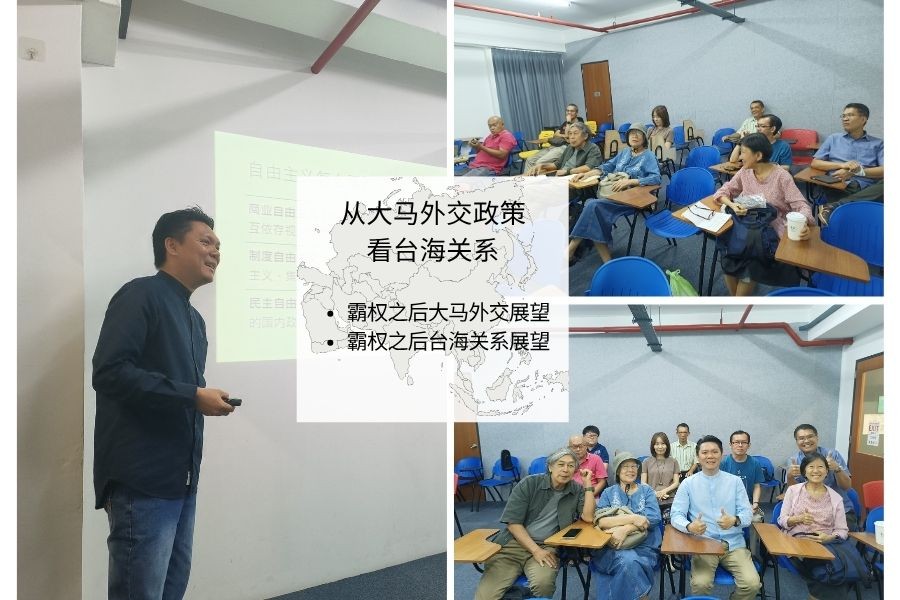
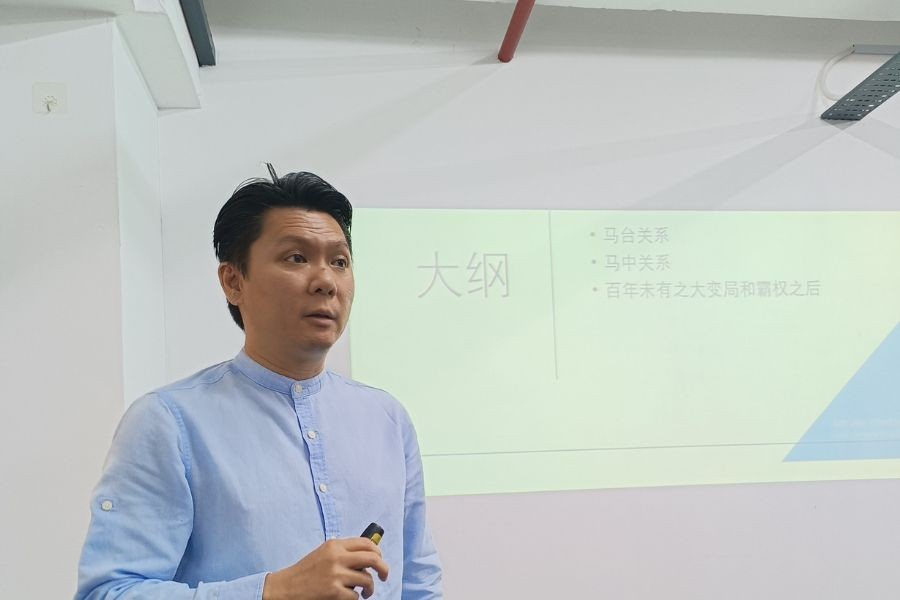
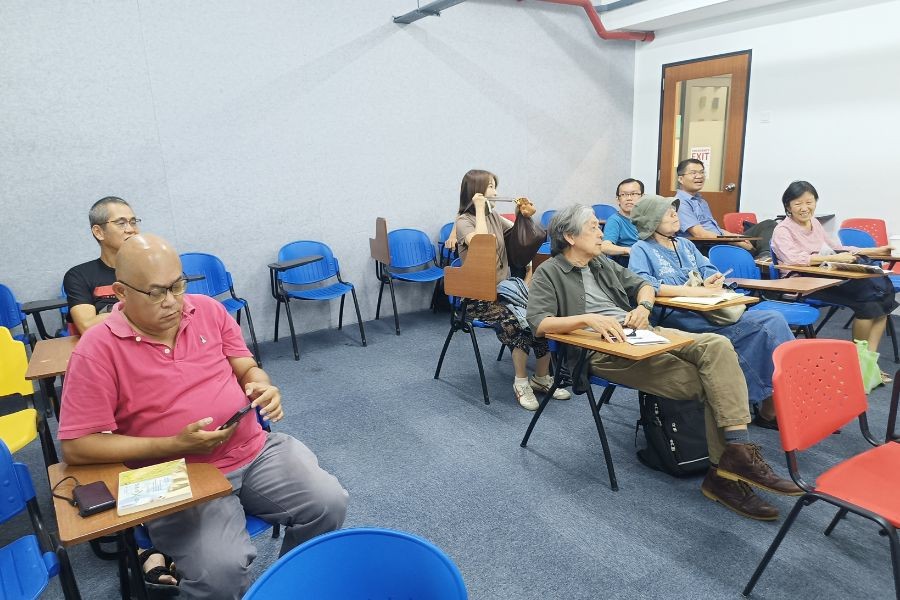
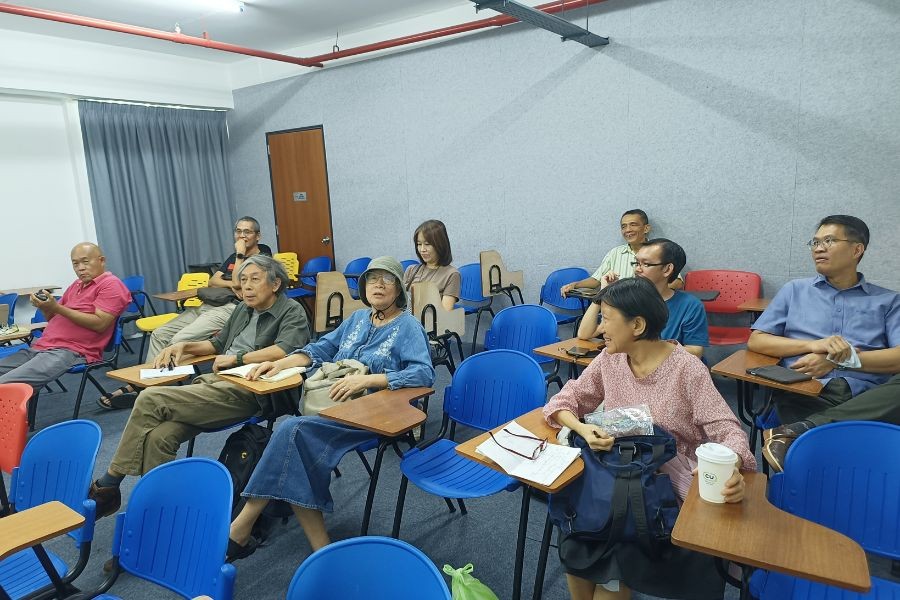
In October, Oneworld Hanxin College hosted two sessions of the “Hanxin Series,” featuring Dr. Lam Choong Wah, a senior lecturer in the Department of International and Strategic Studies at the University of Malaya. The lectures—titled “Prospects for Malaysian Diplomacy in a Post-Hegemonic Era” and “Prospects for Cross-Strait Relations in a Post-Hegemonic Era”—explored shifts in the international order and the diplomatic choices available to Malaysia.The first session began by framing the current landscape as a “profound transformation unseen in a century.” Drawing on international relations theories such as realism and liberalism, Dr. Lam analyzed the evolution of U.S. foreign strategy, the dynamics of competition and cooperation between the U.S. and China, and how changes in the global landscape have influenced Malaysia’s foreign policy. The lecture prompted participants to consider how Malaysia can safeguard its national interests and maintain strategic flexibility amidst the uncertainties of the future.
The second session focused on Malaysia’s relations with Taiwan and China. Dr. Lam examined the historical ties between the Kuomintang (KMT) and the Malaysian Chinese Association (MCA), the development of military cooperation between Malaysia and Taiwan, and the evolution of “parliamentary diplomacy.” He also discussed the background and impact of the establishment of diplomatic relations between Malaysia and China in 1974. Incorporating research from various scholars, Dr. Lam analyzed how Malaysia balances the development of its relationship with China against considerations of national security, regional stability, and domestic political factors.
The lectures further explored the concept of a “hedging” strategy, explaining that Malaysia does not simply “pick a side” between major powers. Instead, it employs a combination of cooperation, balancing, and engagement with multilateral mechanisms to secure economic and diplomatic interests while mitigating potential risks.
By bridging macro-level shifts in the international order with Malaysia’s practical diplomatic conduct, the two-part lecture series provided participants with a deeper understanding of the political logic driving great-power competition, as well as the strategic considerations that shape Malaysia’s approach to regional and international affairs.